Despite its importance, the body cannot produce sufficient vitamin B12 independently
Obesity-related asthma typically manifests as a conglomerate of interconnected immuno-metabolic systems and may therefore benefit from shared therapeutic interventions, such as glucagon-like peptide-1 (GLP-1) agonism
Deficiency is common in vegetarians and vegans who eat little or no products of animal origin
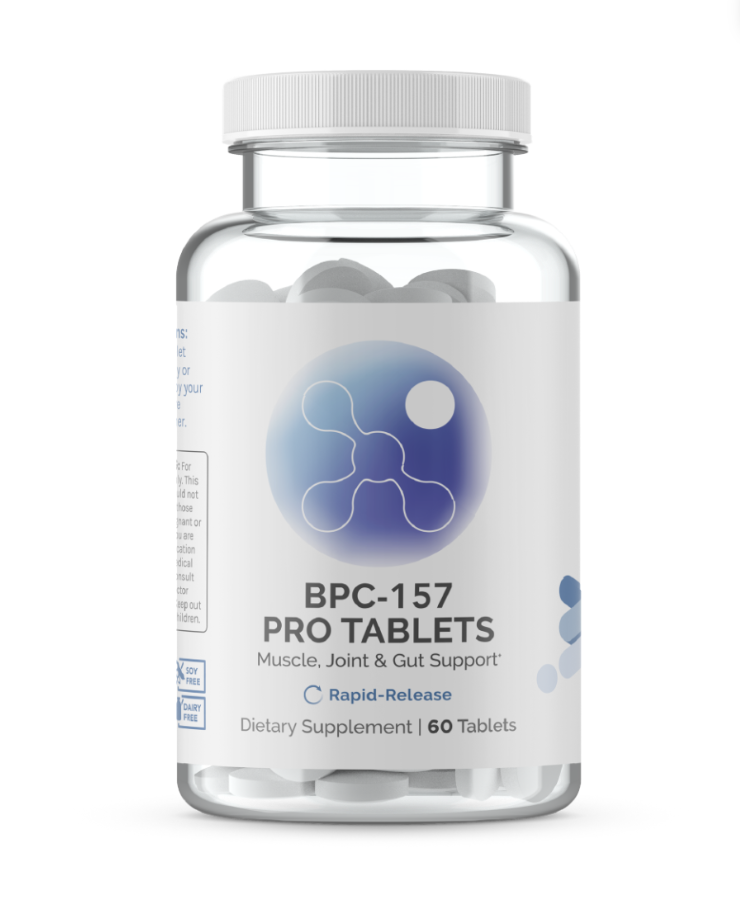
One of the most extensively published peptides in gastrointestinal and connective tissue research
The practical evidence remains limited

Why 50mg is the standard vial size Common GHK-Cu vial sizes: 50mg (most popular) 100mg (economy size) 200mg (bulk) 10mg, 20mg (smaller, less common) Why 50mg is ideal: Perfect for 5-10 week protocol Lasts 25-50 doses (depending on dose used) Not too expensive (most 50mg vials $80-150) Easy reconstitution math Reasonable commitment (test if it works for you) Fits standard protocols Cost per dose from 50mg: If vial costs $100 Gives 25 doses at 2mg each = $4 per dose Very affordable for anti-aging Injectable vs topical GHK-Cu Injectable (most powerful): Systemic effects throughout body 80-90% bioavailability Works on skin from inside out Dose: 1-3mg, 3-7x weekly Best for comprehensive anti-aging Topical (easiest): Applied to skin surface Lower absorption (1-2% concentration in serum) Works locally on skin Daily application Best for focused skin improvement Can combine with injectable Which to choose: Injectable: Serious anti-aging, whole-body benefits Topical: Easier, good for skin-only goals Both: Maximum results See our copper peptides GHK-Cu guide , glow peptides guide , glow peptides , and injectable vs oral peptides