Berta, Wise Extrapolator Chulane, Teller of Tales Clement, the Worrywort Coiling Oracle Doc Aurlock, Grizzled Genius Foggy Swamp Spirit Keeper Genemorph Imago Gretchen Titchwillow Helga, Skittish Seer Hermitic Herbalist Imoti, Celebrant of Bounty Jolrael, Voice of Zhalfir Kinnan, Bonder Prodigy Kinnan, Bonder Prodigy Lilysplash Mentor Mirkwood Meditator Octomancer Paradox Surveyor Quandrix Cultivator Quandrix Pledgemage Rashmi, Eternities Crafter Striding Shotcaller Tatyova, Benthic Druid Tatyova, Steward of Tides Temur Devotee Weaver of Currents Wood Sage Y'shtola Rhul
If such were to be the case, the player would be allowed to draw cards from the deck until eight cards were in hand
As we specifically want the model to learn the response to reprints, Im going to subtract out the overall trend: Next, as we want to predict price change we will use the differential time-series, which is the difference between the current price and the previous one (sometimes called returns ), and standardize the data to speed up training of the network
And it'll surely find its way into every saga deck out there, from Tom Bombadil builds to brews with new Final Fantasy commanders like Terra, Magical Adept or Yuna, Grand Summoner
When the creature you control wins the fight, draw a card
Remember, these are guidelines, not rules


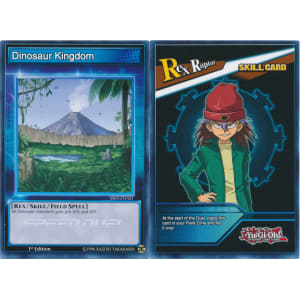

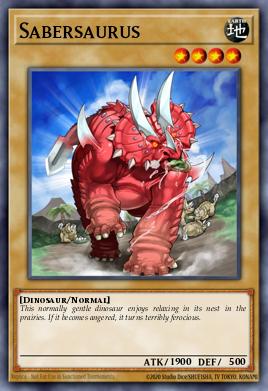
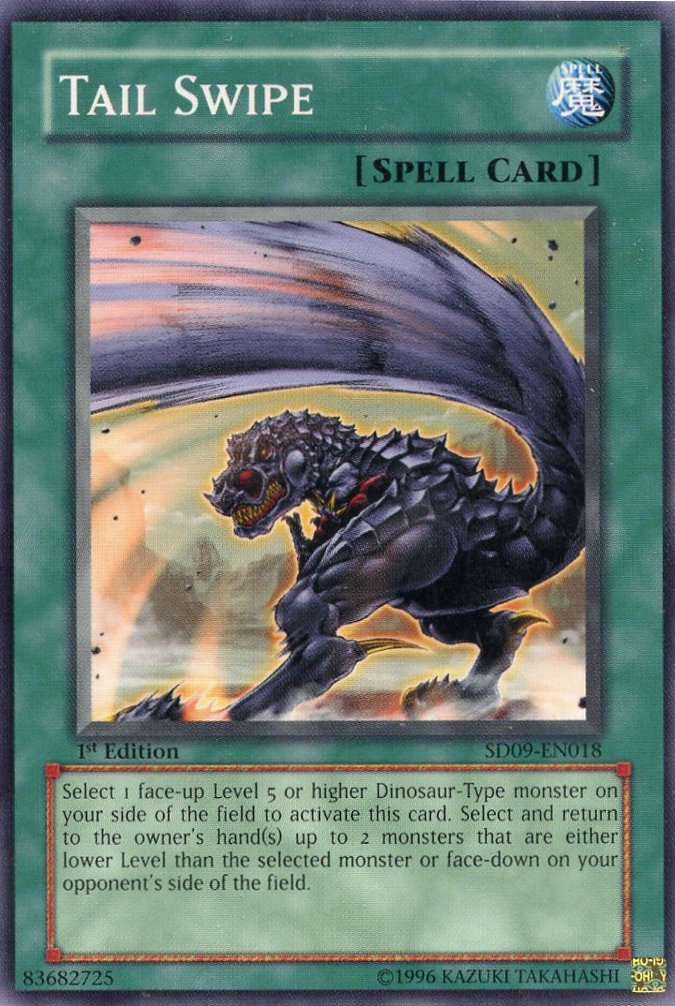




![Weiss Schwarz! RWBY Premium Booster Box Case [30 each]](http://guubuu.com/cdn/shop/files/Screenshot2025-11-26at12.55.02PM.png?v=1764179718)
![Weiss Schwarz: Blue Archive The Animation [Booster Box]](http://bluemistcollectibles.com/cdn/shop/files/weiss-schwarz-blue-archive-the-animation-booster-box.webp?v=1785029052)
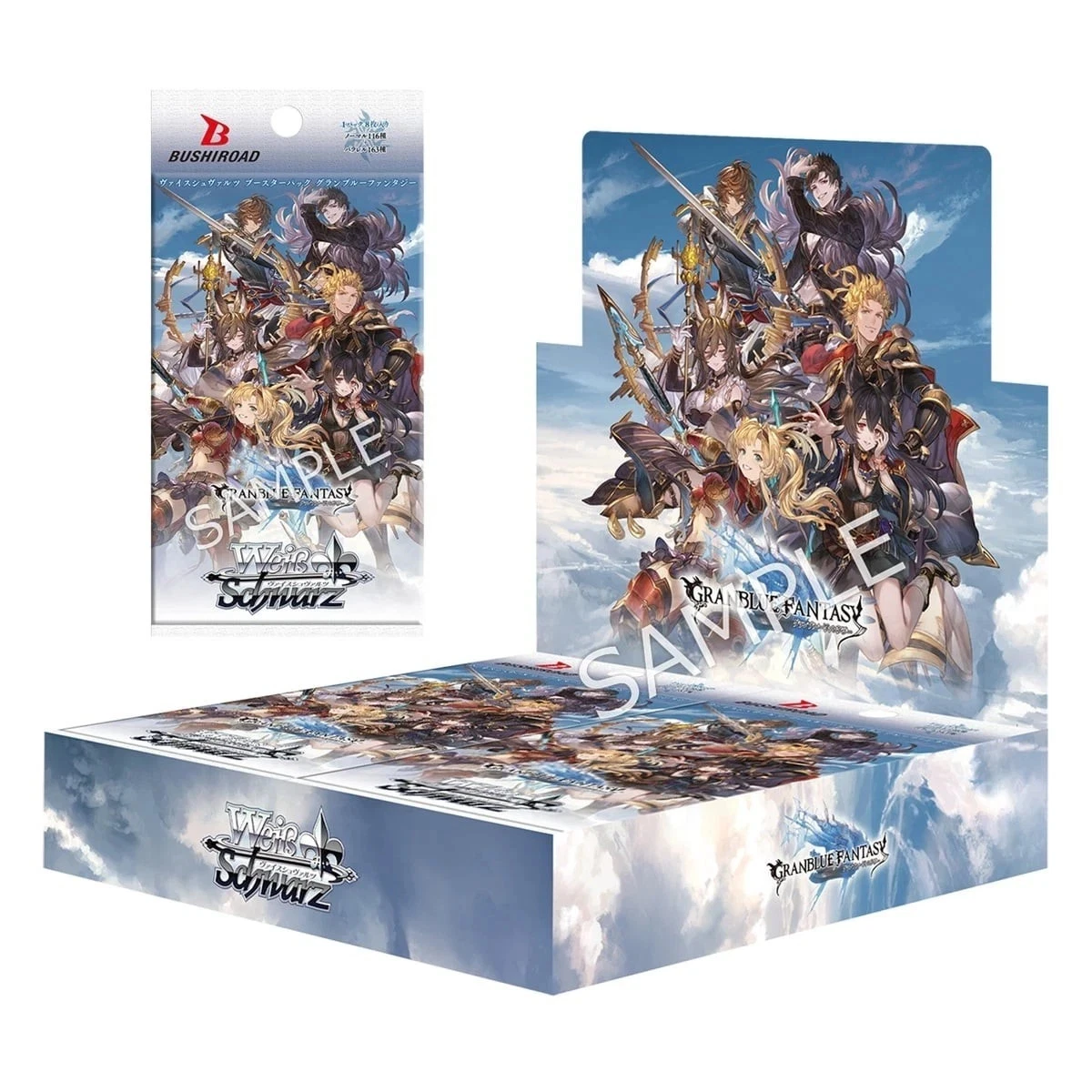


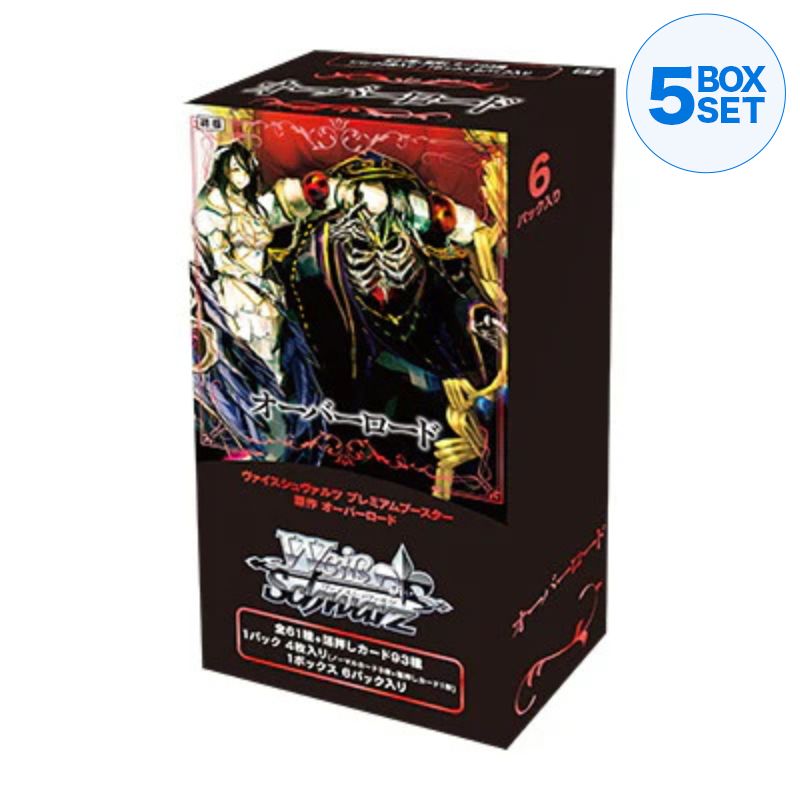
![Weiss Schwarz! Blue Archive Booster Box Case [24 each]](http://guubuu.com/cdn/shop/files/Screenshot2025-11-26at4.26.02PM.png?v=1764192367)


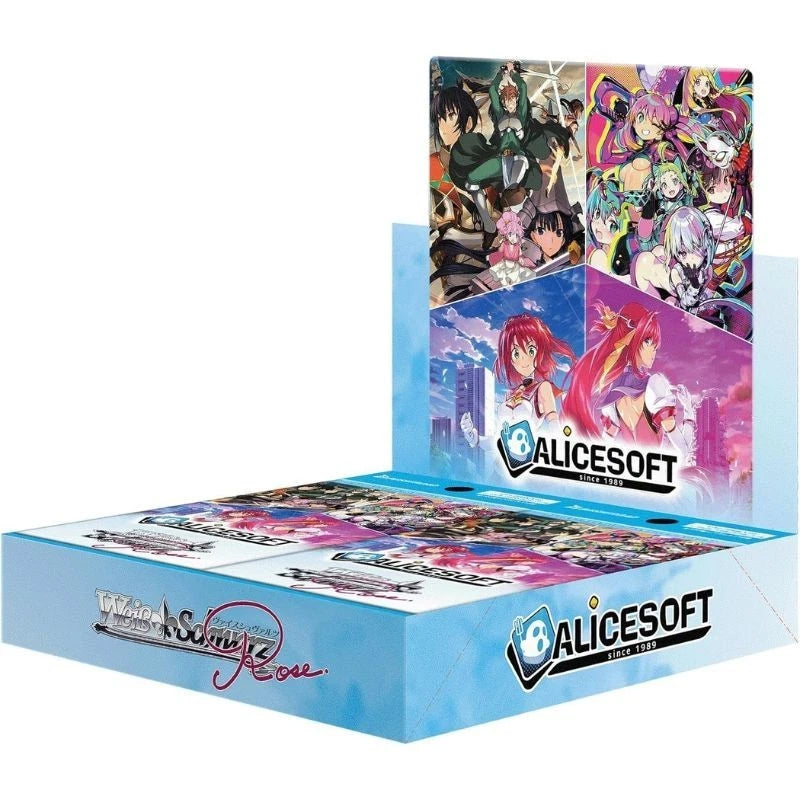




![Bushiroad Weiss Schwarz Booster Pack [Pressed Child] Box : Toys & Games](https://m.media-amazon.com/images/I/816bxl1JqpL.jpg)